
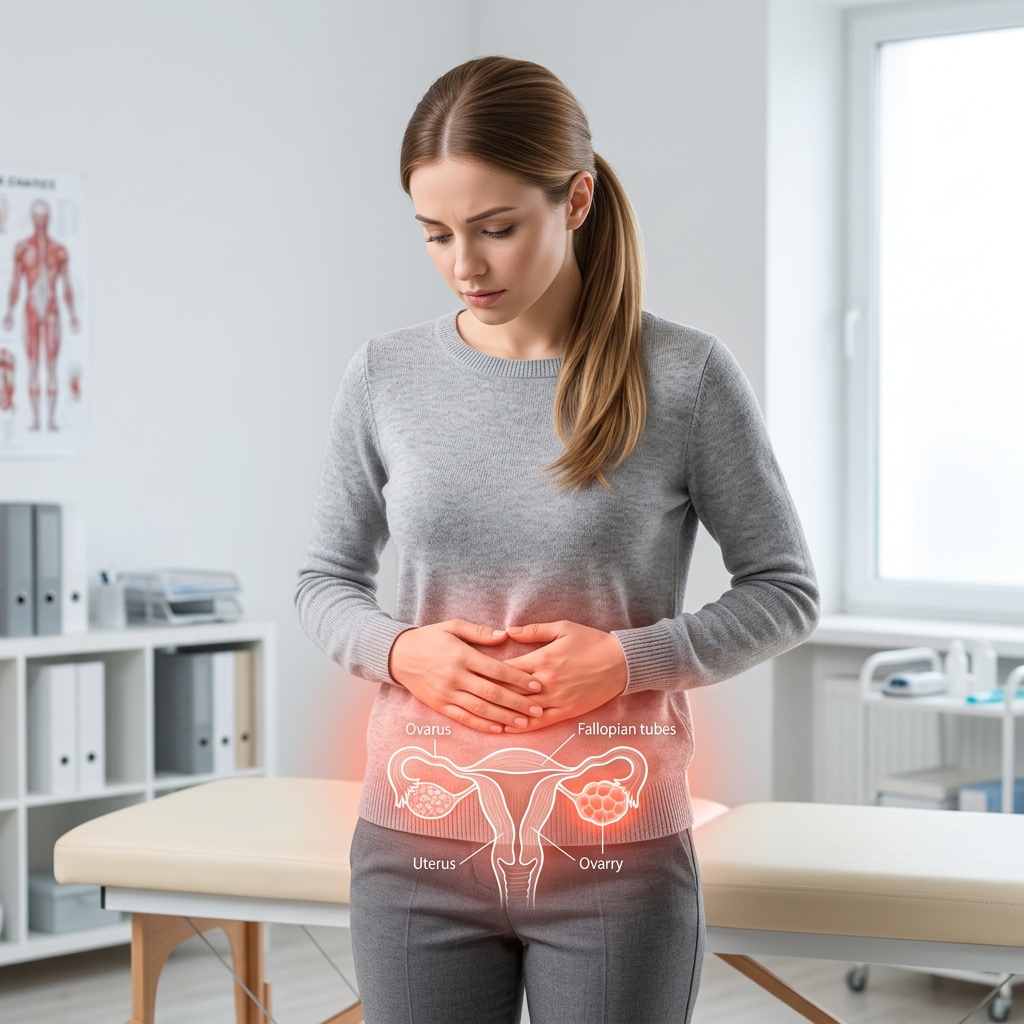
Polycystic Ovarian Disease (PCOD) and Polycystic Ovary Syndrome (PCOS) are frequently confused as identical conditions. However, from a specialist's perspective, they differ significantly in their etiology, systemic impact, and treatment protocols.
1. What is PCOD?
PCOD is a condition where ovaries produce immature or partially mature eggs in large numbers, turning into follicular cysts. It is primarily driven by lifestyle factors, stress, and mild hormonal fluctuations. With dietary changes, weight management, and cycle regularization, normal spontaneous ovulation is readily restored.
2. What is PCOS?
PCOS is a deeper metabolic and endocrine syndrome where ovaries produce excessive amounts of androgen (male hormones). This leads to chronic anovulation, severe acne, hirsutism, insulin resistance, and long-term metabolic risks like type 2 diabetes and hypertension.
3. Comprehensive Comparison Table
| Clinical Aspect | PCOD | PCOS |
|---|---|---|
| Nature | Localized ovarian condition | Complex metabolic & endocrine disorder |
| Prevalence | Affects ~30% of reproductive-age women | Affects ~5% to 10% of women |
| Fertility Impact | High natural conception rate (~80%) with lifestyle care | Requires structured ovulation induction / ART |
| Metabolic Risks | Low long-term systemic risks | Higher risk of diabetes, NASH, and cardiovascular disease |