
A hysterectomy (surgical removal of the uterus) is one of the most common and definitive gynaecological procedures worldwide. Whether performed laparoscopically for large uterine fibroids, severe adenomyosis, endometriosis, or abnormal bleeding, looking back 5 years post-surgery offers deep reassurance and empowering clarity.
1. The 5-Year Horizon: Freedom from Pain & Bleeding
For the vast majority of women, the 5-year mark represents a dramatic boost in quality of life. Without the monthly burden of severe pain, chronic fatigue from severe iron-deficiency anemia, and anxiety about unexpected heavy bleeding, women rediscover an active, energized lifestyle.
Dr. Manisha's Clinical Note: In modern Total Laparoscopic Hysterectomy (TLH), preserving healthy ovaries ensures that natural hormonal production continues until normal physiological menopause, preventing immediate hot flashes and hormonal crashes.
2. Long-Term Hormonal Health & Ovarian Function
If your ovaries were conserved during surgery, your body continues to produce estrogen and progesterone. However, natural menopause may occur 1 to 2 years earlier in some women due to altered pelvic microcirculation. Recognizing standard perimenopausal transitions—such as sleep changes, mood shifts, or mild hot flashes—allows timely lifestyle and dietary optimizations.
3. Bone Health & Cardiovascular Wellness
Estrogen plays a key role in bone mineral density. By year 5 post-hysterectomy, Dr. Manisha Kumari recommends:
- DEXA Bone Density Scan: Baseline screening for osteopenia or osteoporosis.
- Adequate Calcium & Vitamin D3: Dietary intake plus supplementation to maintain bone strength.
- Weight-Bearing Resistance Exercise: Brisk walking, yoga, and light strength training 4 times a week.
- Cardiovascular Screening: Annual checks for lipid profile, blood pressure, and fasting blood glucose.
4. Pelvic Floor Strength & Bladder Health
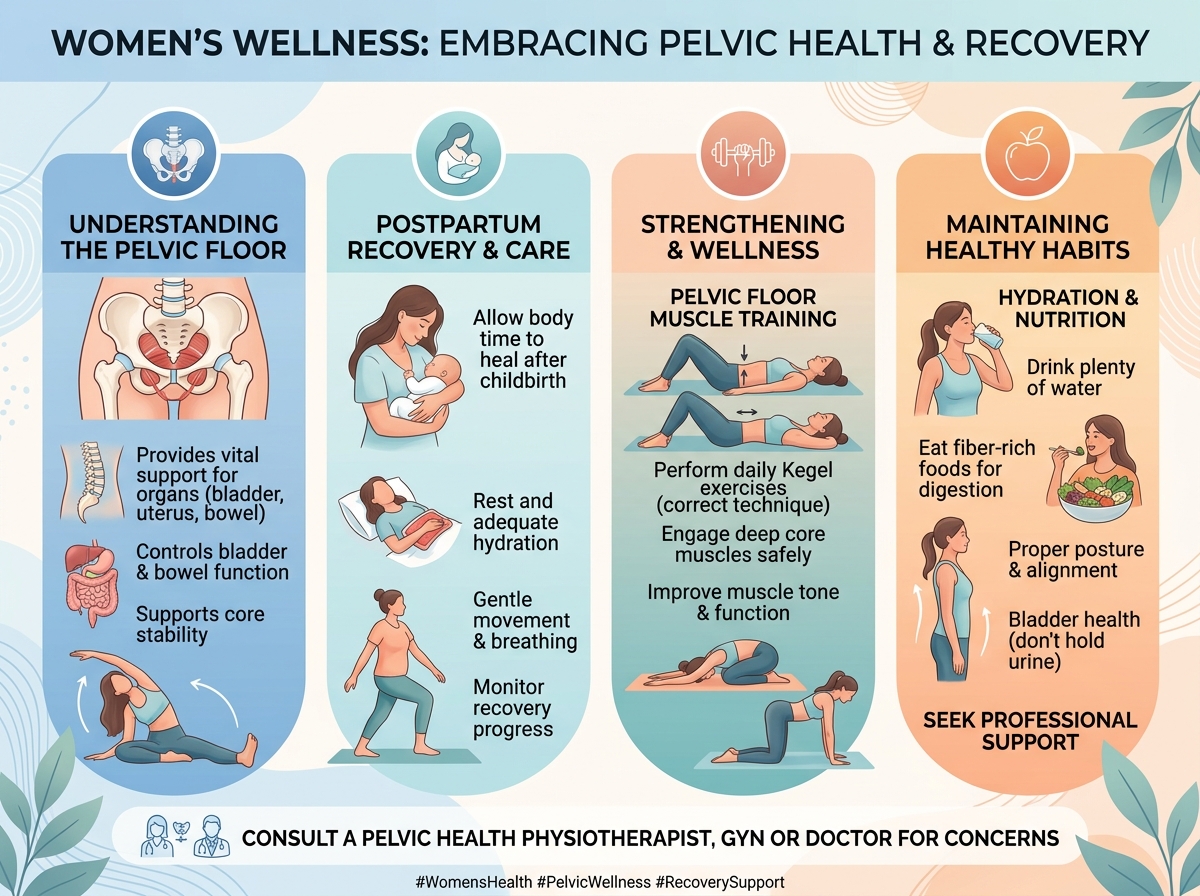
The pelvic floor supports the bladder and bowel. To prevent pelvic floor laxity or urinary urgency over the years, practicing daily Kegel exercises and maintaining an optimal body weight are essential habits for long-term comfort.