
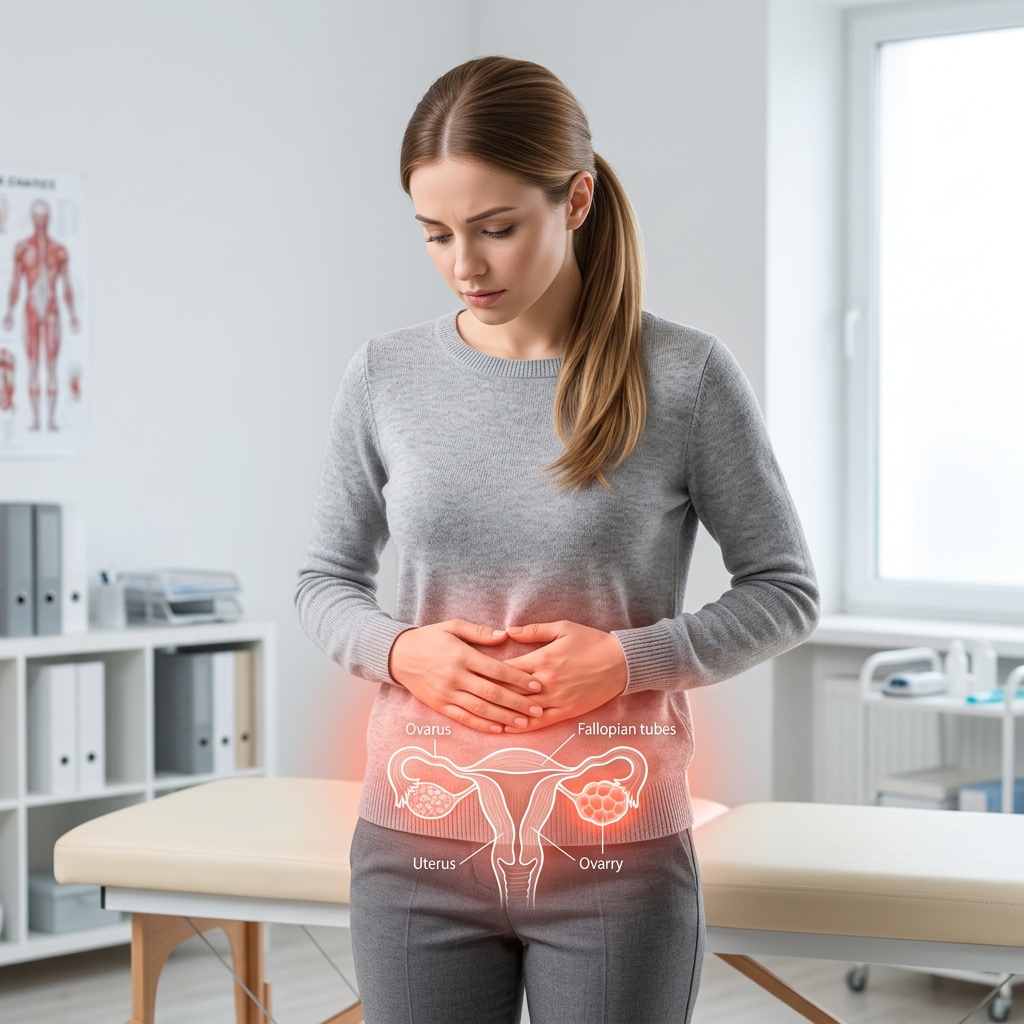
PCOS & PCOD Management
Holistic clinical diagnosis, in-house high-resolution pelvic ultrasound, metabolic insulin balance, and personalized natural fertility care by Dr. Manisha Kumari in Bhubaneswar.

Dr. Manisha Kumari
MBBS, MS (O&G) Consultant Gynaecologist & Ultrasound Specialist- Dumduma Clinic: Near SBI, Phase-1
- IMS & SUM Hospital: K8, Kalinga Nagar
Best PCOS & PCOD Treatment in Bhubaneswar
Expert clinical diagnosis, in-house high-resolution pelvic ultrasound, root-cause hormonal balancing, and compassionate fertility care led by Dr. Manisha Kumari in Bhubaneswar.
Dr. Manisha Kumari
MBBS, MS (O&G) Consultant Gynaecologist & Ultrasound Specialist- Dumduma Clinic: Near SBI, Phase-1
- IMS & SUM Hospital: K8, Kalinga Nagar
Best PCOD Treatment in Bhubaneswar
- Are you suffering from irregular menstrual cycles?
- Do you experience extreme bleeding or pain during periods?
- Are you having trouble conceiving a baby?
If yes, you should get tested for PCOD. Dr. Manisha Kumari is one of the best gynaecologists in Bhubaneswar, having over a decade of dedicated clinical experience. She focuses on providing the best PCOD & PCOS treatment in Bhubaneswar across her Dumduma Clinic and IMS & SUM Hospital.
Moreover, Dr. Manisha Kumari has deep expertise in treating women with infertility, PCOD, hormonal imbalance, and metabolic health. Besides, she is also adept in advanced gynecological procedures such as in-house sonography, hysteroscopy, and laparoscopy.
What Exactly is PCOD?
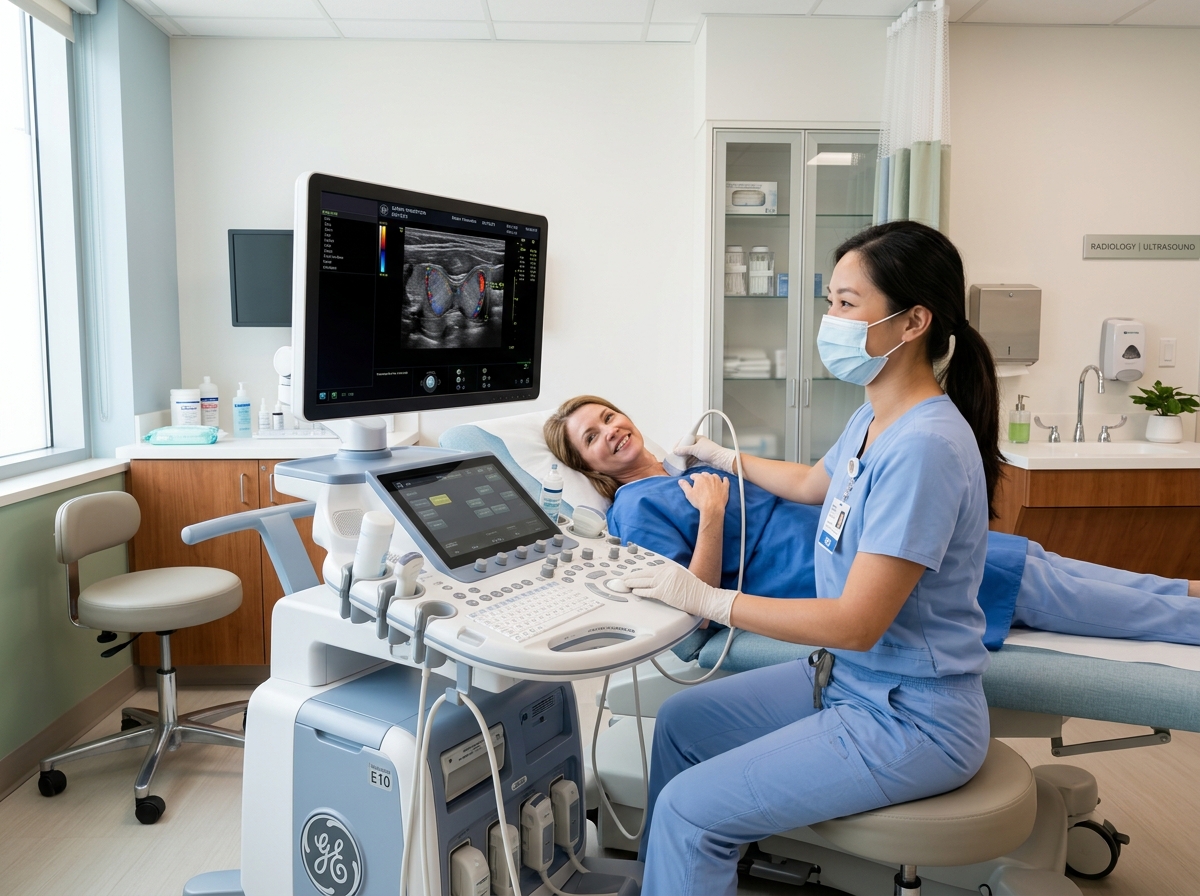 In-House Sonography
Detecting ovarian follicular cysts and tracking egg maturation right during consultation.
In-House Sonography
Detecting ovarian follicular cysts and tracking egg maturation right during consultation.
- PCOD (Polycystic Ovarian Disease) is a disorder in which a woman’s hormonal abnormalities cause smaller follicular cysts in her ovaries. These follicular cysts are immature eggs that don’t release out of the ovary during a regular menstrual cycle.
- PCOD affects about 5% to 10% of women between the ages of 12 and 45. Delayed or missed menstrual cycles are typical symptoms of PCOD. If left untreated, it can lead to weight gain, acne, hair loss, excessive hair growth on the body, and problems in conception.
- In PCOD, the ovaries swell, and there is an excess production of androgen (male reproductive hormone) and oestrogen. PCOD is often detected during an ultrasound while testing the cause for menstrual irregularity.
- Women often believe PCOD will cause permanent infertility. However, this is not the case. In many women, PCOD does not permanently affect their fertility.
- With effective PCOD treatment, about 80% of women can conceive and achieve a stress-free pregnancy. However, conceiving may require structured guidance for the other 20% of PCOD sufferers who might be overweight or have insulin resistance.
- Dr. Manisha Kumari, one of the best gynaecologists in Bhubaneswar, has helped hundreds of PCOD and unexplained infertility patients conceive naturally through tailored medical therapy and follicular tracking.
Now, let's know:
What are the Causes of PCOD?
The exact cause of PCOD is multifactorial. According to Dr. Manisha Kumari, higher levels of low-grade inflammation, insulin resistance, and genetic predispositions play a major role. It can also result from obesity, chronic psychological stress, unhealthy junk food habits, sedentary routines, and endocrine abnormalities.
Signs & Symptoms of PCOD
The following are some of the most common PCOD symptoms:
- Some women with PCOD have fewer than eight periods per year.
- Thickening of the uterine lining for a prolonged time causes heavy bleeding during periods.
- Around 70% of PCOD women experience hirsutism, or excessive hair growth on the face and body, such as the chin, upper lip, chest, belly, and back.
- Thinning or falling of hair (androgenic alopecia).
- Severe cystic acne along the jawline and back.
- Unexplained weight gain and difficulty losing weight.
Impact on a Woman's Body
According to Dr. Manisha Kumari, androgen levels that are elevated might impact fertility and cause other health concerns if left unaddressed:
- Infertility & Delayed Ovulation: Anovulatory cycles making conception unpredictable.
- Metabolic Syndrome & Diabetes: Higher risk of insulin resistance and dyslipidemia.
- Mood Swings & Depression: Hormonal fluctuations affecting emotional well-being.
- Sleep Apnea: Interrupted breathing during sleep linked to weight changes.
- Endometrial Health Risks: Prolonged missed cycles leading to endometrial hyperplasia.
How is PCOD Detected?
Dr. Manisha Kumari will prescribe key tests to diagnose the root cause of the symptoms. The diagnostic protocol may include a fasting blood sugar test, thyroid hormone profile, complete hormonal blood panel, and high-resolution abdominal & pelvic ultrasound.
PCOD and Pregnancy
PCOD can cause fertility concerns because it disrupts regular ovulation, making it difficult to predict the fertile window. It has also been linked to an increased risk of complications during pregnancy if not monitored closely.
Women with untreated PCOD are more likely to experience gestational complications such as hypertension, miscarriage, and gestational diabetes. However, with Dr. Manisha's close sonographic monitoring, ovulation induction, and lifestyle management, healthy term deliveries are routinely achieved.
Now, let's discuss:
Treatment of PCOD
- PCOD is treated with a combination of evidence-based medications as well as dietary and lifestyle modifications. Losing 5% to 10% of body weight significantly improves insulin sensitivity and helps restore natural spontaneous ovulation.
- Cycle-regularizing medications, inositol supplements, and targeted anti-androgens aid in menstrual cycle regulation and treat PCOD symptoms like acne, hair loss, and excessive body hair growth.
- If medical therapy does not increase fertility in specific resistant cases, the doctor may evaluate surgical options such as laparoscopic ovarian drilling. This minimally invasive keyhole procedure aids in restoring regular ovulation.
How Much is the Cost of PCOD Treatment in Bhubaneswar?
The type and duration of treatment determine the overall cost of PCOD treatment. Because each patient presents with unique hormonal profiles, symptom severity, and fertility timelines, Dr. Manisha Kumari personalizes the management plan to keep care ethical, transparent, and affordable.
The exact roadmap and affordable treatment costs are discussed transparently with you during your initial consultation.
Why Choose Dr. Manisha Kumari?
- Personalized Care Tailored to Individual Needs: Customized medical protocols addressing your unique hormonal and metabolic profile.
- Experienced & Dedicated Specialist: Over 12+ years of clinical excellence in obstetrics, gynecology, and laparoscopic surgeries.
- Commitment to Latest Medical Advancements: Adhering to international evidence-based guidelines in women's health.
- In-House Diagnostic Ultrasound: Same-day pelvic sonography for instant clinical clarity without outside laboratory delays.
- Supportive & Understanding Environment: Compassionate, private, and judgment-free clinical consultations.
- Emphasis on Open Communication: Transparent explanations and empowering patients through informed healthcare choices.
- Prioritizing Patient Comfort & Well-Being: Continuity of care from diagnosis to pregnancy and long-term wellness.

Frequently Asked Questions
Common queries regarding PCOD diagnosis, management, and fertility.
Yes, if you have PCOD, you should consult your gynaecologist periodically. Regular follow-ups allow monitoring of blood sugar, blood pressure, lipid profiles, and ultrasound assessment of ovarian follicular response to ensure long-term metabolic health.
- If you haven't had a period for over 35 days and you are not pregnant.
- You notice sudden, severe facial and body hair growth or severe cystic acne.
- After 6 to 12 months of trying, you are unable to conceive naturally.
- You experience signs like extreme thirst, fatigue, unexplained weight gain, or darkened skin patches around the neck.
Women of all ages should adopt a sustainable, healthy lifestyle that includes:
- Exercising regularly (at least 30 minutes of moderate activity 5 days a week).
- Eating a nutritious, low-glycemic, vitamin and mineral-rich whole-food diet.
- Maintaining a healthy body weight and active daily routine.
- Avoiding or limiting processed sugars, refined carbohydrates, tobacco, and alcohol.
- Practicing proper sleep hygiene and stress management techniques.
Yes, absolutely. PCOD causes irregular ovulation rather than permanent sterility. With cycle regularization, mild ovulation induction, and in-house sonographic follicular tracking, the vast majority of women with PCOD achieve successful, healthy pregnancies.